EU Invites Canada to become an "associate" member.
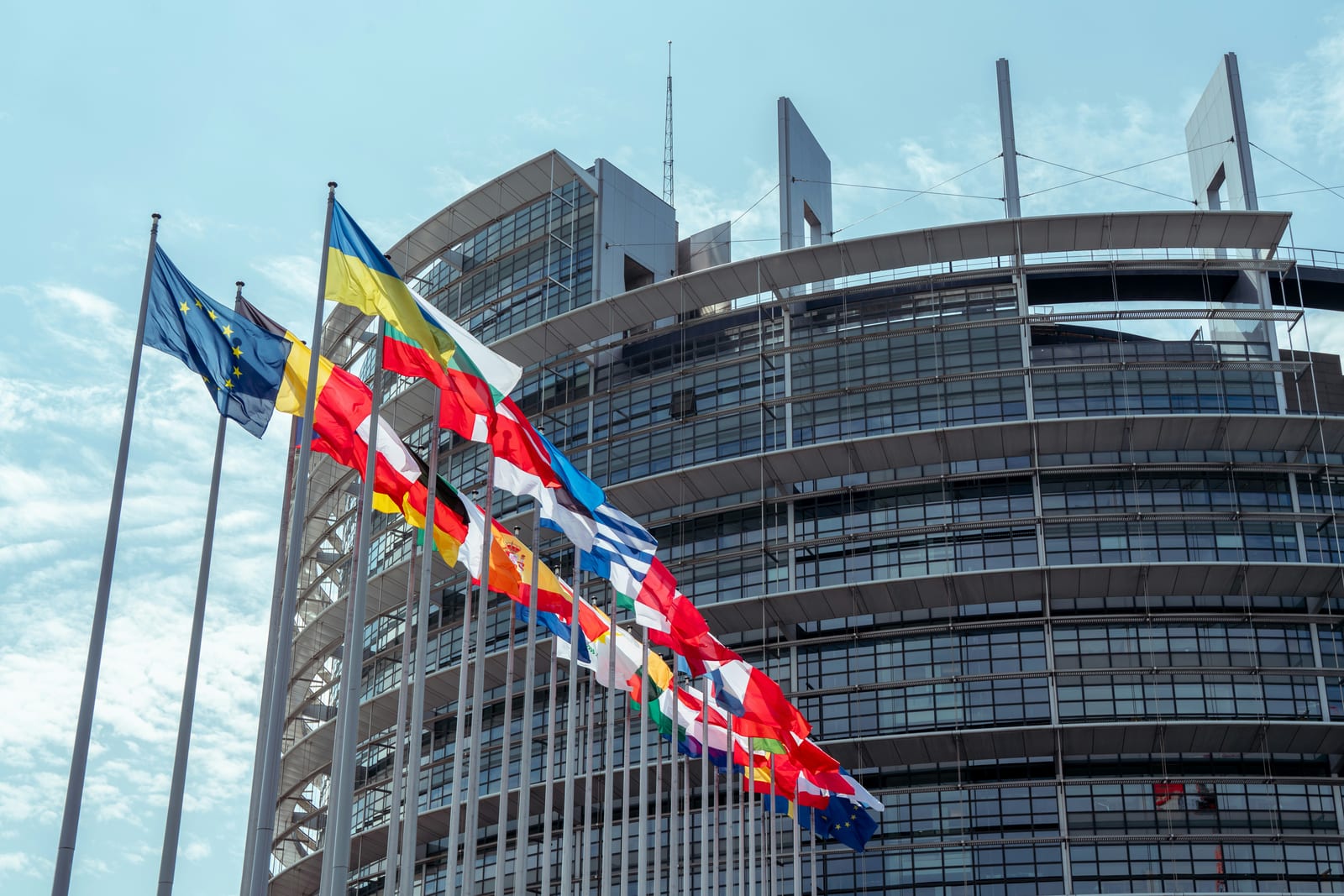
In a speech made by Ursula von der Leyen, Canada received, before the Parliament of the EU, an invitation to become the EU's first "Associate" member.
— By Jean Baptiste3 min
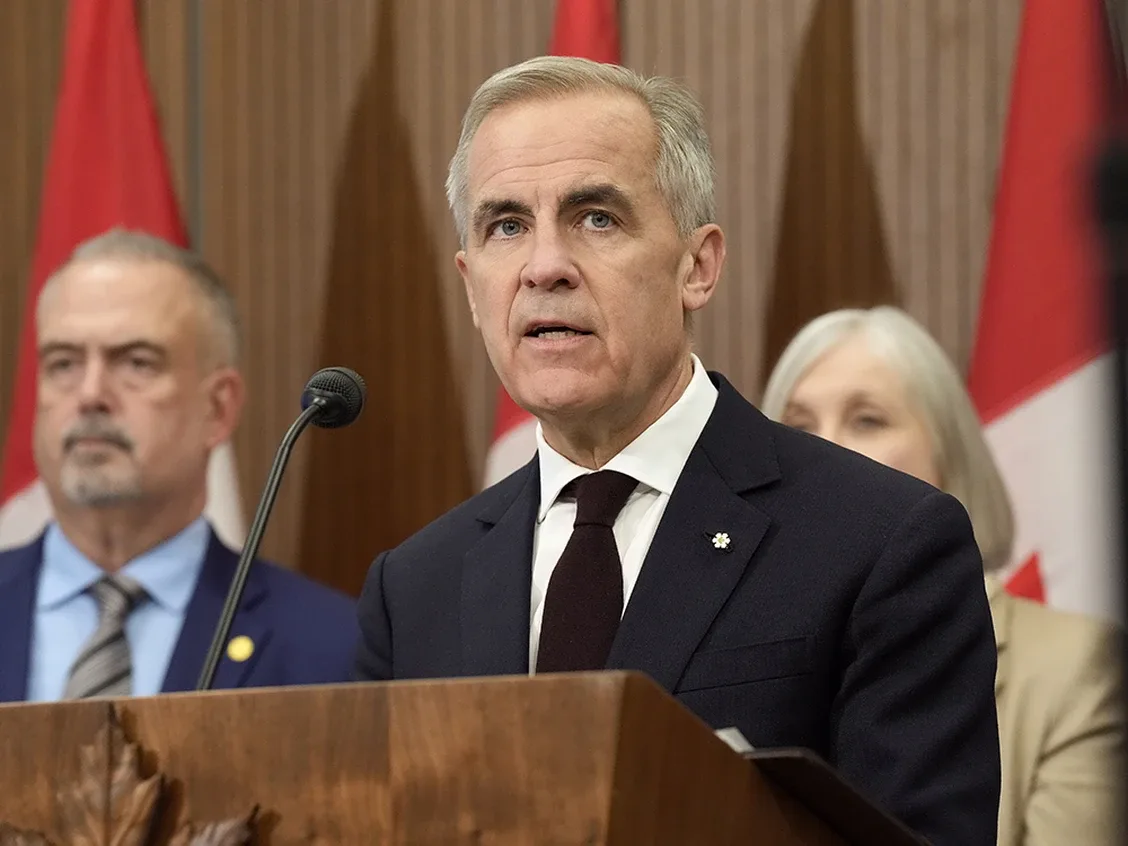
Since the election of Mark Carney, Canada has been diversifying its trade and international partnerships. During his first official foreign trip to France on March 17th, 2025, Carney made a speech in Paris before Emmanuel Macron in the Élysée Palace. He told both the audience and the world that Canada "is the most European of non-European countries." From then many started speaking of the potential for Canada to make further partnerships with the EU. More than that, it became more popular for people to speak of Canadian membership in the EU or some form of integrative partnership.
Now it is the case that these ideas have been further bolstered. On September 16th, President of the European Commission Ursula von der Leyen made a speech in France inviting Canada to become an "associate member" of the EU. Currently, no such designation exists, so what exactly it would entail is not clear, though speculation can be made within reason.
There exist other countries whose agreements with the EU fall within the scope of the concept of "association." Iceland is one such country; it is a member of the EFTA (European Free Trade Association) along with Norway, Liechtenstein and Switzerland. This allows these nations to be part of the EEA (European Economic Area), which allows them to have full rights to free movement of goods, capital, services and persons; in short, it integrates them into a single market. Along with this, all relevant EU legislation pertaining to the single market is also applied to the EEA. The EEA also entails technological development, research, tourism, culture and civil protection.
Considering the EFTA is a separate organization from the EU, and Canada's primary negotiations are with the EU and EU members, it is highly unlikely that Canada will become a member of the EFTA. It may be more, but still far from likely, that Canada would enter into an agreement with very similar rules to the EEA. In an interview given to the CBC, former special envoy to the EU Stéphane Dion stated that it would be unlikely that Canada would enter into any agreement which transferred provincial or federal sovereignty to Brussels. He seems to think what is more likely is the continued deepening of relations in the realms of military co-operation, research, trade, investment and Arctic defence, rather than Canada joining into some sort of single market.
The greatest amount of skepticism towards this deepening relationship is held by Canada's conservatives. Leader of the Conservative Party of Canada Pierre Poilievre stated in a post on X that "we support the decades-old free trade & NATO defence alliance with Europe. But no EU taxes, no EU laws, and no EU open-border immigration policies should be imposed on Canadians." Neither Carney nor Ursula von der Leyen has made any statements saying these policies would be part of any agreement. Despite this, it is clear that it's not just figures such as Poilievre who are expressing trepidation about ideas of integration into the EU. Canada's current ambassador to the EU has said, "We are not looking to be a member of the European Union, because that is a sovereignty issue." The main, if not only, criticism being raised is that of national sovereignty.
The statements made by von der Leyen, aside from her statement about association, do not mention anything that has not already been spoken of between both parties before. In her statement, she said, "We will work on intelligent manufacturing. We will create a tech alliance. We will integrate defence industrial bases. We will make the Arctic a flagship joint project. We will work on energy, critical minerals and batteries. On AI, quantum, cyber and economic security." Carney also made a speech to the European Union's Parliament, where he further clarified what this may entail: much of it was the same regarding defence, trade, and tech, energy, and so on. Alongside this, he added that he would like to see the "deepening of people to people ties," which he says would mean "allowing our youth to work, study, and live, where they want on either side of the Atlantic." Carney followed this up by proposing Canadian membership in Erasmus+, which is a European educational programme that allows for student and teacher mobility among other things. As of yet, nothing pertaining to this associate membership has been implemented or made official.