Why I Want Ottawa and Alberta at Odds
No major party offers the social conservatism and economic socialism I support. Until one does, I would rather use their rivalry to defend my priorities than give either side the power to disregard them.
— By RJ Chizmadia6 min
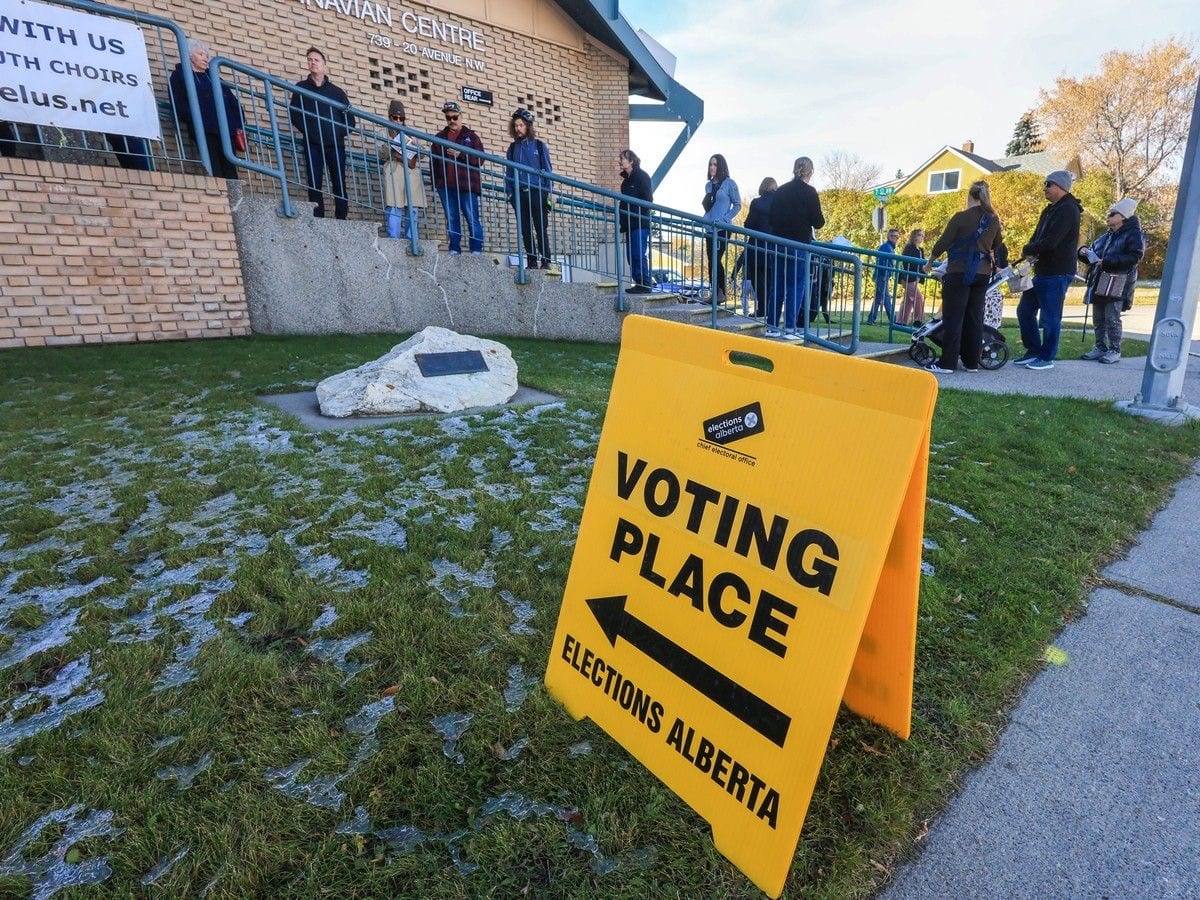
I voted for Option 2 on Question 10 knowing that I would vote against independence in a binding referendum. The present ballot is non-binding and asks whether Alberta should begin the constitutional process for that later vote. I supported it to put pressure on Ottawa over mass immigration and demand greater provincial authority. Federal politicians have become accustomed to assuming that Albertans who want to remain Canadian will eventually accept whatever they decide. There has to be something we can do between complaining about Ottawa and abandoning the country.
My politics give me plenty of reasons to oppose both camps. I am a third positionist, opposed to mass immigration and traditional in my views on gender and marriage. None of that makes corporate rule acceptable to me. I am an economic socialist who wants major industries nationalised so that their development serves Canada's needs. The country should be expanding public education and bringing dental treatment into public health care, with subsidised basic housing available to Canadian citizens. I would rather see public money spent on that than on foreign wars in Israel and Ukraine. Yet the left expects me to accept its social politics to defend spending at home, while Conservatives assume my social convictions make me one of theirs. Neither has much use for the rest of what I believe.
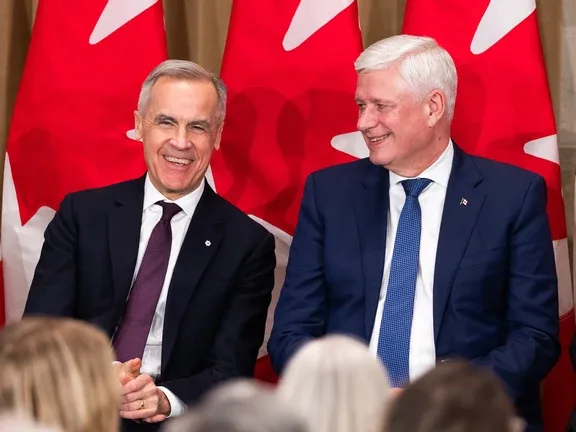
During the last federal election, this meant wanting the Liberals to win even though I did not vote. I wanted Poilievre kept out of Ottawa and Alberta's Conservatives left with a federal government they had an interest in fighting. Before the election, I regarded Carney as a Red Tory and expected no socialism from him. His government's plans for private concessions to operate Canada's four largest airports have reinforced my opposition to his economics. I still preferred that arrangement to having Alberta's Conservatives explain why we should put up with the decisions of their federal ally.
Poilievre's record on immigration gave me no reason to want him protected from that pressure. In October 2024, the Liberals cut the permanent-resident target for 2025 from 500,000 to 395,000. Their retreat still left a target far above what I wanted, alongside continued temporary admissions. Poilievre attacked their “immigration flip-flop”, but I remembered how readily he had made the case for more people himself. In June 2023, he urged the government to let students who had acted in good faith stay after the fraudulent admission-letter scandal. “We need young people and we need workers,” he told the Commons. His later appeals to voters demanding lower immigration did not erase that record.
I also judge him by the promises he makes while courting Indian diaspora votes. I regard his turban appearances at Sikh community events and campaign for direct flights between Canada and Amritsar as pandering. What he offers those audiences matters when he asks voters opposed to mass immigration to trust him. By February 2025, he was promising lower permanent immigration and deportation for people who broke Canadian laws while on temporary visas. I took those promises as evidence that public pressure was working.
Putting him in office would have given Alberta's Conservatives a reason to ease off. An attack on his immigration policy would have damaged their own side, whereas fighting Carney can win them votes. That gives me a way to hold them to the promises they make while denouncing Ottawa, including demanding that they use the powers they already possess. Otherwise, federal interference becomes an excuse for staying in office without doing much. The same reasoning would apply if a Conservative prime minister cut transfers or attached conditions that weakened public services. I would want provincial Liberals or New Democrats to resist him. I would also oppose a Conservative premier who helped him make those cuts.
Even a provincial government prepared to fight can run up against powers it does not have. Under federal paramountcy, a valid federal law prevails where obeying both laws is impossible or provincial legislation frustrates the federal law's purpose. Immigration is a shared field under section 95, which expressly gives federal legislation priority in a conflict. I voted for Question 9 because it proposes an amendment giving provincial laws priority in provincial or shared areas of jurisdiction. Alberta has to provide classrooms and keep hospitals running as the population grows. Its say in the immigration policy adding to those demands should amount to more than asking a federal minister to accommodate it.
The amendment would still have to address how those powers worked alongside federal immigration authority and the mobility rights of Canadian citizens and permanent residents. Ottawa would retain influence through funding, and provincial priority would not make it restore a transfer it had cut. I voted against Question 8, which separately proposed allowing provinces to opt out of federal programs intruding on their jurisdiction while retaining the associated money for social programs. I support giving provincial laws priority without supporting that funding guarantee.
That choice would sometimes make life harder for a federal government I supported. The national socialist government I want would need the strength to build publicly owned industries on a scale no province could manage alone. Where its program conflicted with provincial laws protected by the amendment, it would have to negotiate or win support for changing them. I would accept having to do that work. Giving Ottawa the authority to brush a province aside would leave that power available to the government that came after it, including one intent on dismantling what had been built. I cannot base a constitutional arrangement on the hope that socialists will one day govern Canada and never lose another election.
Alberta could not secure this change by itself anyway. The general amending formula requires federal approval and at least seven provinces representing at least half the population of the provinces. We would have to persuade other governments that they stood to gain. A province demanding lower immigration might work with one resisting federal conditions on social spending, even though they intended to use their greater authority differently. That would require accepting that another province could make decisions we disliked. I am prepared to negotiate on those terms because I want to improve the country we share.
Separation would break apart the country I want to develop. Canada needs an economy it owns and can direct towards the needs of its people, and that requires a national project extending well beyond Alberta. Becoming the 51st state would surrender the sovereignty I want strengthened to Washington. I will oppose independence if it reaches a binding referendum, and anyone trying to turn this vote into a mandate for American annexation will face my opposition as well. My vote gives neither project my consent.
Nor does it give Alberta's Conservatives permission to fight Carney over immigration and imitate his economics at home. I will oppose their privatisation just as I oppose his. Defending public health care will not make me accept mass immigration or the Liberals' social politics, either. Until there is a party that represents what I want, I would rather the parties that do exist had to contend with opponents in government at the other level. I have no interest in helping either camp take both offices and then being told to keep quiet about everything I opposed before it won.